Table of Contents
- What Counts as an Emergency Plumbing Situation
- Burst Pipe Repair: Stop the Water Immediately
- Locating Your Main Water Shutoff Valve
- Sewer Backup Emergency: Health Risks and First Steps
- Emergency Plumbing vs. Regular Plumbing: When Speed Matters
- What to Do While Waiting for the Plumber
- Protecting Your Home After the Emergency
- Frequently Asked Questions
Last Updated: October 11, 2026
What Counts as an Emergency Plumbing Situation
A plumbing emergency is any situation where water damage, health hazards, or system failure require immediate professional intervention. At Rustler Plumbing, we define emergencies as problems that cannot wait for a routine appointment; burst pipes, sewage backups, or total loss of water pressure demand attention within hours, not days.
Not every plumbing issue qualifies. A slow drain, a dripping faucet, or a water heater that needs servicing can usually wait for standard business hours. But when water is actively flooding your home, raw sewage is backing up into your house, or you smell gas near your plumbing, you need emergency plumbing services immediately.
The distinction matters because emergency response costs more than routine repairs, crews must be available 24/7, equipment must be staged for rapid deployment, and diagnostics happen under time pressure. Understanding what truly constitutes an emergency helps you make the right call without panic.
Burst Pipe Repair: Stop the Water Immediately
A burst pipe is among the most destructive plumbing emergencies. When a pipe fails, water floods your home at hundreds of gallons per hour. The damage accelerates, drywall absorbs moisture, flooring warps, electrical systems short out, and mold begins growing within 24 hours.
Your first action is not to call the plumber. It's to stop the water. Locate your main water shutoff valve and turn it clockwise until it closes completely. This single action prevents catastrophic damage while you wait for emergency plumbing services to arrive. Do not attempt repairs yourself, a burst pipe requires professional assessment and replacement.
Once water stops flowing, document the damage with photos and video for your insurance claim. Open windows to begin drying the affected area. Move furniture and valuables away from wet zones. Call your insurance company before calling the plumber, they need to know about the damage immediately.
Locating Your Main Water Shutoff Valve
The main water shutoff valve is typically located where the water line enters your home. In most houses, it's in the basement, crawl space, or utility room near the foundation. In warmer climates, it may be outside in a meter box or near the exterior wall.
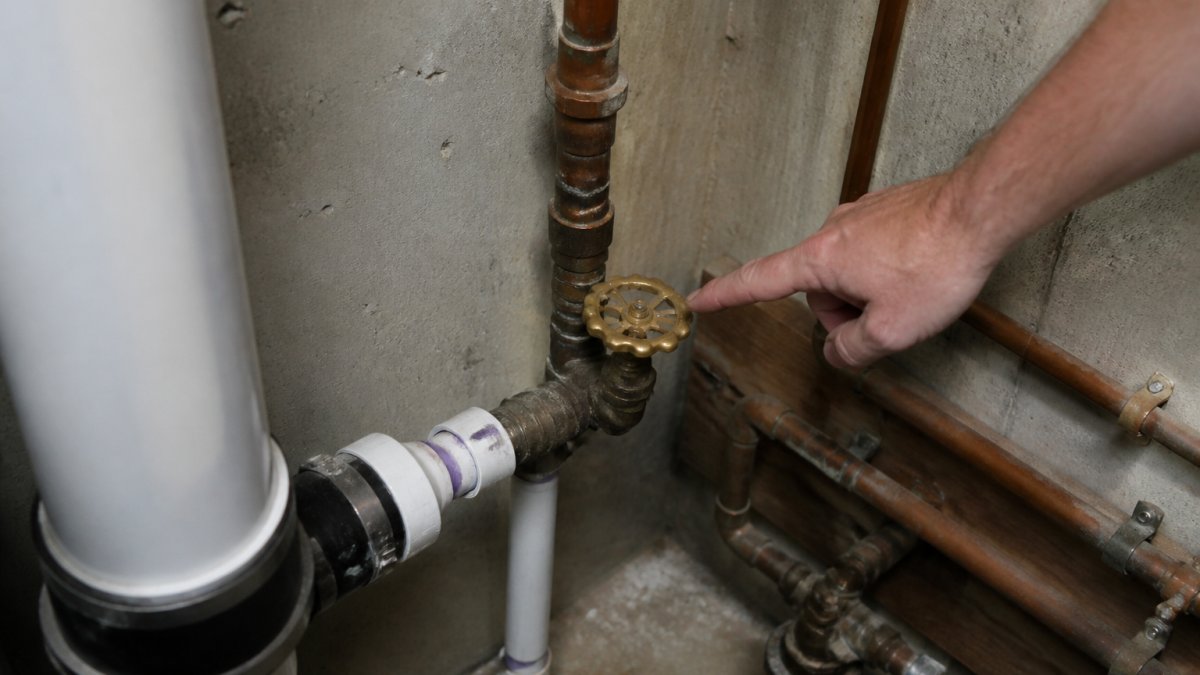
The valve is usually a brass or chrome handle attached to a horizontal pipe. Turn it clockwise, righty-tighty, until it stops. You should feel resistance, but don't force it. If the valve is stuck or corroded, gently work it back and forth with a wrench until it moves freely. Test it now, before an emergency strikes. Knowing where it is and that it works could save tens of thousands in water damage.
Sewer Backup Emergency: Health Risks and First Steps
A sewer backup is a health crisis. Raw sewage contains bacteria, viruses, and parasites that cause serious illness (the CDC). When sewage backs up into your home through drains, toilets, or showers, you're exposed to pathogens that can trigger gastrointestinal infections, hepatitis A, and other diseases.
Signs of a sewer backup include multiple drains draining slowly, toilets backing up when you use other fixtures, or sewage odors in your yard. Do not ignore these warnings. Call emergency plumbing services immediately.
Until the plumber arrives, stay out of affected areas. Do not use toilets, showers, or drains. If sewage has entered living spaces, open windows for ventilation and avoid contact with contaminated surfaces. Wear gloves and a mask if you must enter affected areas. After the backup is cleared, disinfect all surfaces with a bleach solution. This is not a DIY cleanup, professional remediation is often necessary.
Emergency Plumbing vs. Regular Plumbing: When Speed Matters
Emergency plumbing services differ from routine plumbing in availability, cost structure, and scope. Regular plumbing handles scheduled maintenance, installations, and non-urgent repairs during business hours. Emergency plumbing services operate 24/7 and charge for rapid response, after-hours availability, and the urgency of the situation.
When you call for emergency plumbing services, the goal is immediate stabilization: shutting off a burst pipe, clearing a backup, or restoring water pressure. Stabilization is not the same as permanent repair. Once the emergency is contained, you can schedule follow-up work during regular hours if needed.
Understanding Emergency Plumbing Costs
Emergency service costs break down into distinct components, and understanding each helps you anticipate the final bill:
- Dispatch fee or after-hours charge:
- Diagnostic fee:
- Labor rate:
- Parts and materials:
- Travel time:
How to Verify a Plumber Before Calling
Do not wait for an emergency to vet a plumber. Before you need emergency services, verify these credentials:
- License and insurance: Ask for the plumber's license number and verify it with the state licensing board. Confirm they carry general liability and workers' compensation insurance; request a certificate of insurance.
- Written estimate: Reputable emergency plumbers provide a written estimate before work begins, breaking down labor, parts, and fees.
- Warranty on repairs: Ask what warranty covers the repair. Get this in writing.
- Emergency call terms: Clarify the response time guarantee and cancellation policy before you call.
- References and reviews: Check online reviews and ask for references from recent emergency calls. A plumber with consistent 4+ star ratings and documented response times is more reliable than an unknown provider.
The trade-off between emergency cost and damage prevention is stark. A burst pipe flooding your home for two hours causes significant water damage. Emergency plumbing services that arrive quickly prevent that scenario, making the emergency bill a sound investment.
What to Do While Waiting for the Plumber
The minutes between calling and arrival are critical. Your actions determine whether damage spreads or stabilizes.
First, shut off the main water valve. This is the single most important step for any water-related emergency.
Next, manage the water already in your home. Use towels, buckets, and a wet vacuum to remove standing water from floors. Move furniture and electronics to dry areas.
Do not use electrical appliances in wet areas. Do not attempt temporary repairs with tape or sealant, they fail under pressure and waste time. Do not run other fixtures or toilets, which may force more water into damaged areas.
Document everything with photos and video for your insurance claim. Note the date and time the problem started and when you called for help. This timeline supports your insurance claim and helps the plumber understand what happened.
Protecting Your Home After the Emergency
After the plumber leaves and the immediate crisis is resolved, your focus shifts to preventing recurrence, documenting damage for insurance, and addressing underlying vulnerabilities specific to the local climate and infrastructure.
Documentation for Insurance Claims
Most homeowners policies cover sudden, accidental water damage from burst pipes, frozen pipes, or sewer backups. However, insurers require detailed documentation to approve claims. Begin documenting immediately:
- Photograph and video everything: Capture wide shots of affected rooms, close-ups of damaged drywall, flooring, and personal property, and video walkthroughs narrating the damage. Include the date and time stamps in your photos.
- List damaged items: Document all personal property affected, furniture, electronics, clothing, appliances, with descriptions, approximate purchase dates, and replacement cost estimates. Receipts or credit card statements help establish value.
- Keep all receipts: Save invoices from the emergency plumber, water removal services, temporary repairs, and any professional cleanup or restoration work. These are direct evidence of loss.
- Note the timeline: Record when you first noticed the problem, when you called for emergency services, when the plumber arrived, and when repairs were completed. This timeline supports your claim and helps the adjuster understand the sequence of events.
- Preserve damaged materials: Do not discard wet drywall, flooring, or insulation until the adjuster has inspected them. Photographs alone may not be sufficient; the adjuster may need to see the actual damage.
Plumbing Repair vs. Water Damage Claims
Insurers distinguish between plumbing repair (the cost to fix the pipe or system) and water damage (the cost to repair or replace property damaged by water). This distinction affects your deductible and coverage:
- Plumbing repair: The cost to replace a burst pipe, clear a sewer backup, or repair a failed valve is typically not covered by homeowners insurance. You pay this cost directly to the plumber. This is considered maintenance or system failure.
- Water damage: The cost to repair drywall, flooring, insulation, and personal property damaged by water from a covered peril (burst pipe, frozen pipe, sudden backup) is covered by homeowners insurance, minus your deductible (usually $500-$1,000).
When you file a claim, separate these costs in your documentation. Provide the plumber's invoice (plumbing repair, not covered) and receipts for water removal, drying, and restoration (water damage, covered). This clarity speeds claim approval.
Local Risk Factors and Prevention
The local climate and infrastructure create specific vulnerabilities that increase the likelihood of future emergencies:
- Hard water and mineral buildup: Local water contains high mineral content, which accumulates inside pipes and reduces flow over time. This buildup can lead to pressure loss, slow drains, and eventual blockages. Annual water softening or pipe flushing reduces this risk.
- Seasonal freezes: Winter temperatures can drop below freezing, causing water in exposed pipes to freeze and expand, leading to burst pipes. Insulate pipes in attics, crawl spaces, and exterior walls. Drip faucets during freezes to keep water moving.
- Soil movement and foundation settling: Local soil composition and seasonal moisture changes cause subtle foundation movement, which stresses buried sewer lines and water mains. If you have experienced multiple sewer backups, a camera inspection of the main line may reveal cracks or misalignment that require repair.
- Age of local infrastructure: Older homes in established neighborhoods often have galvanized steel pipes (installed before 1970) that corrode from the inside, reducing water pressure and increasing leak risk. If your home is over 40 years old and you have not replaced the main water line, consider a professional assessment.
Follow-Up Inspection and Prevention
Request a written estimate and invoice from the emergency plumbing provider. Reputable plumbers provide upfront pricing with no hidden fees. This documentation is essential for insurance claims and protects you from surprise charges.
Once the emergency is resolved, schedule a follow-up inspection during regular business hours.
Prevention matters most. Have your plumbing system inspected annually. Insulate exposed pipes in cold areas. Maintain proper drainage around your foundation. Address small leaks and slow drains before they become emergencies. These steps reduce the likelihood that you will need emergency plumbing services in the first place.
Frequently Asked Questions
What should I do if a pipe bursts in my home?
Turn off the main water shutoff valve immediately to stop water flow. Then open all faucets and drain the system to release remaining pressure. If you cannot locate the shutoff valve, call for emergency plumbing services right away. Document any water damage with photos for insurance purposes. Do not attempt to repair a burst pipe yourself, this requires professional equipment and expertise.
When should I call for emergency plumbing services instead of waiting for regular service?
Call for emergency plumbing services when you have active water leaks, burst pipes, sewage backups, or toilet overflows. These situations cause rapid water damage, health hazards, or safety risks. Regular plumbing service handles scheduled repairs and maintenance. The difference is response time and severity: emergency plumbing services operate 24/7 and arrive same-day because delays can lead to significant damage.
How do I find my main water shutoff valve before an emergency happens?
Locate your main water shutoff valve now, before you need it. It's typically found where the water line enters your home, usually in the basement, crawl space, garage, or near the foundation. The valve is a round or oval handle on the main water line. Turn it clockwise to shut off water. If you cannot find it or the valve is stuck, call a licensed plumber to locate and service it. Knowing its location saves critical minutes during a burst pipe emergency.
What are the health risks of a sewer backup emergency?
Sewage contains harmful bacteria, viruses, and parasites that cause serious illness. Exposure through contact with contaminated water or surfaces can lead to gastrointestinal infections, hepatitis A, and other diseases. Do not enter affected areas or touch contaminated materials. Leave sewer backup emergencies to licensed plumbers with proper equipment and safety protocols. Isolate the affected area, avoid using drains or toilets, and call for professional emergency plumbing services immediately to prevent health hazards.
When a plumbing emergency strikes, you need a response you can trust. Rustler Plumbing has served San Antonio and the Hill Country for over 15 years with 24/7 emergency service, licensed technicians, and upfront pricing. We arrive quickly, diagnose accurately, and fix the problem right the first time, with no extra charge for nights, weekends, or holidays. Book Now to have our team on your side when emergencies happen.