Table of Contents
- What Qualifies as an Emergency Plumbing Situation in a Rental
- Tenant Plumbing Emergency Steps: What to Do First
- Landlord Emergency Repair Responsibilities in Rental Properties
- Who Pays for Plumbing Repairs in a Rental Property
- Rental Property Maintenance Checklist to Prevent Emergencies
- Documentation, Communication, and Follow-Up After Emergency Repairs
- Frequently Asked Questions
Last Updated: October 19, 2026
What Qualifies as an Emergency Plumbing Situation in a Rental
An emergency plumbing for rental properties situation is any water or sewage issue that poses an immediate health risk, causes active property damage, or makes the rental unit unlivable. These aren't minor leaks or slow drains. They're problems that demand urgent attention to prevent injury, contamination, or severe structural damage.
Understanding what actually qualifies as an emergency saves time, money, and stress on both sides.
Critical failures that demand immediate attention
Burst pipes are the textbook emergency. Water spraying from a pipe or pooling inside walls doesn't wait. Sewage backups are equally critical. Raw sewage backing up into a bathtub, shower, or toilet is a health hazard that requires professional intervention immediately, not tomorrow.
Active roof leaks that are actively dripping water into living spaces, electrical hazards near water, gas leaks, and loss of hot water during winter all qualify as emergencies. No heat in winter is a habitability issue.
Here's what doesn't qualify: a slow drip from under the sink, a running toilet that still flushes, or a clogged drain that can wait a few days. These are maintenance issues, not emergencies.
Health and safety risks from plumbing failures
Water damage creates mold. Mold grows quickly in wet environments and poses respiratory risks, especially for children and people with asthma. Sewage backup introduces pathogens and bacteria that can cause serious illness. Gas leaks are life-threatening. Electrical hazards near water can cause electrocution.
Standing water also attracts pests and compromises the structural integrity of the building. Flooring warps, drywall deteriorates, and wood rot begins within days of prolonged water exposure.
Tenant Plumbing Emergency Steps: What to Do First
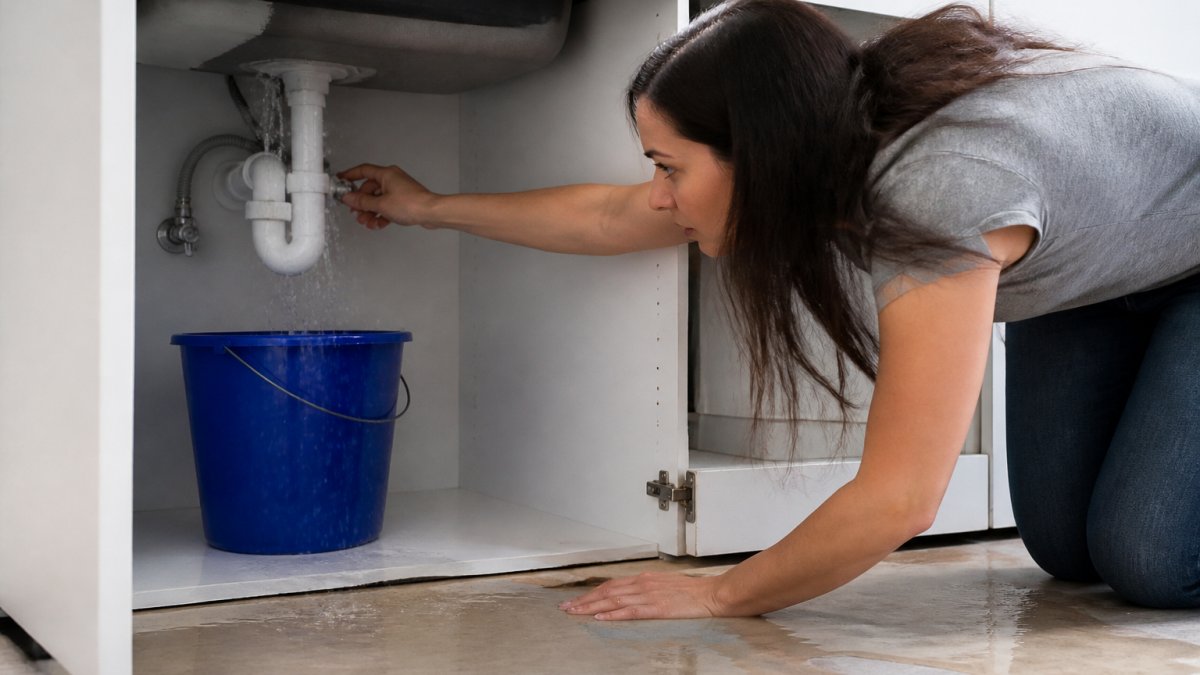
When a plumbing emergency strikes, tenants need to act fast but smart. The first 15 minutes matter. Your goal is to stop water flow and prevent further damage while getting professional help on the way.
Immediate actions to limit damage
Stop the water. If you see a burst pipe or active leak, shut off the water supply immediately.
Open drains and faucets. After shutting off the main, open all cold-water faucets.
Move belongings away from water. Remove furniture, electronics, and personal items from the affected area. Wet items can be salvaged if moved quickly and dried properly.
Document the damage. Take photos and videos of the water, the leak source, and any damage to flooring, walls, or belongings.
Do not attempt repairs yourself. Plumbing systems are complex. Temporary fixes often make problems worse and can void your lease or create liability issues.
How to report an emergency to your landlord or property manager
Call immediately. Don't text or email. A phone call creates a record and gets faster response. Most lease agreements require landlords to respond to emergency maintenance requests within 24 hours, but many emergencies can't wait that long.
Ask for confirmation of receipt. After the call, send a follow-up text or email stating the time you called, what you reported, and what response time you expect. This creates a written record.
If you can't reach your landlord, call a licensed emergency plumber. In many states, tenants can pay for emergency repairs and deduct the cost from rent if the landlord fails to respond.
Landlord Emergency Repair Responsibilities in Rental Properties
Landlords have a legal duty to maintain rental properties in a habitable condition. That duty includes responding to emergency plumbing failures. The consequences of ignoring that duty are serious: tenant lawsuits, regulatory fines, and loss of rent collection rights.
Legal obligations under state and local building codes
Most states recognize habitability standards that include functional plumbing, hot water, and protection from water damage. Landlords must respond to emergency repair requests within a defined timeframe, typically 24 to 72 hours depending on the severity and local law.
An active burst pipe or sewage backup meets the legal definition of an emergency. Landlords cannot delay these repairs.
Documentation is essential. When a tenant reports an emergency, the landlord should log the date, time, and nature of the complaint. If the landlord hires a professional, keep all invoices and repair reports.
Response-time expectations and escalation procedures
The first step is immediate acknowledgment. Respond to the tenant's call or email within one hour, even if you can't dispatch a plumber immediately.
For true emergencies (burst pipes, sewage backups, no heat in winter), the plumber should arrive within 4-6 hours. If your regular plumber can't respond that fast, call a 24/7 emergency service.
For less critical issues (slow leak, reduced water pressure), a 24-hour response is acceptable.
Keep the tenant informed. Call or text updates on when the plumber is arriving. After the repair is complete, provide the tenant with a copy of the work order and invoice. This transparency prevents disputes about what was repaired and who pays.
Who Pays for Plumbing Repairs in a Rental Property
Payment responsibility depends on the cause of the failure. This is where disputes often arise, so clarity matters.
Tenant-caused damage versus normal wear and tear
Landlord pays: Normal wear and tear, manufacturing defects, and system failures due to age. A water heater that fails after 12 years is the landlord's responsibility. A pipe that bursts due to age or corrosion is the landlord's responsibility.
Tenant pays: Damage caused by tenant negligence or misuse. Flushing non-flushable items down the toilet, pouring grease down the drain, or freezing pipes by failing to maintain adequate heat during winter are tenant responsibilities.
The key question: Did the problem result from normal use or tenant negligence? If it's ambiguous, most states favor the tenant. Landlords are expected to maintain systems in working order.
Payment responsibility and insurance coverage
Landlords should carry property insurance that covers water damage from burst pipes and other plumbing failures. This protects the landlord's investment and ensures repairs happen quickly without disputes over payment.
Tenants should carry renter's insurance. It covers personal property damage and provides liability protection if the tenant is found responsible for damage.
When damage occurs, the responsible party's insurance should pay. If the landlord is responsible, the landlord's insurance covers it. If the tenant is responsible, the tenant's insurance covers it. The tenant should never pay out-of-pocket for a landlord's responsibility.
Document everything. Photos, repair invoices, and written communication about who caused the problem protect both parties if a dispute escalates.
Rental Property Maintenance Checklist to Prevent Emergencies
Prevention is cheaper and easier than emergency response. A simple maintenance routine catches problems before they become crises.
Routine inspections and preventive maintenance tasks
Monthly: Check under sinks for leaks or water stains. Look at the water heater for rust or corrosion. Listen for unusual sounds from pipes or the water heater.
Quarterly: Run water in all fixtures to ensure flow is normal. Check for water stains on ceilings or walls. Inspect visible pipes for corrosion or leaks.
Annually: Have a licensed plumber inspect the entire plumbing system. They can identify hidden leaks, assess pipe condition, and spot early signs of failure.
Drain cleaning is preventive maintenance, not an emergency repair. A professional drain cleaning removes buildup before it causes a backup. Schedule this annually for rental properties with multiple units.
| Maintenance Task | Frequency | Best For | Impact |
|---|---|---|---|
| Check under-sink areas | Monthly | Early leak detection | Prevents water damage |
| Test all fixtures | Quarterly | Flow and pressure issues | Catches developing problems |
| Professional inspection | Annually | Comprehensive assessment | Prevents 80% of emergencies |
| Drain cleaning | Annually | Backup prevention | Avoids sewage emergencies |
| Water heater flush | Every 2 years | Sediment removal | Extends system life |
Seasonal preparation and winter protection
Winter is when emergency plumbing calls spike. Frozen pipes burst. Water heaters work harder and fail more often. Prepare in fall.
Insulate exposed pipes in unheated areas. Attics, crawlspaces, and exterior walls are vulnerable. Pipe insulation is inexpensive and prevents freeze damage.
Maintain adequate heat during winter. Even if the rental is vacant, keep the thermostat at 55°F minimum.
Drain outdoor faucets and hoses before the first freeze. Shut off the water supply to outdoor spigots from inside the house if possible.
Check the water heater before winter. A failing water heater in July is inconvenient. A failing water heater in January is an emergency.
Documentation, Communication, and Follow-Up After Emergency Repairs
After the emergency is resolved, proper documentation protects both tenant and landlord from future disputes and ensures the repair actually fixed the problem.
Follow up one week after the repair. Check that the problem hasn't recurred. If it has, contact the plumber immediately.
If the repair fails and the plumber is responsible, they should return and fix it at no additional cost.
Keep records for at least three years.
Communication prevents conflict. Tenants who feel heard and informed are less likely to pursue legal action.
Emergency plumbing for rental properties creates stress for tenants and liability for landlords.
At Rustler Plumbing, we handle emergency calls 24/7 across the region.
Frequently Asked Questions
What should a tenant do if a pipe bursts in a rental property?
First, shut off the water supply at the main valve or at the fixture if possible. Move belongings away from the water and use towels to absorb standing water. Take photos of the damage for documentation. Then contact your landlord or property manager immediately and report the emergency in writing (email or text creates a record). Do not attempt repairs yourself unless you are trained to do so. A licensed professional must assess the burst pipe and determine the best repair approach to prevent further water damage and ensure the rental remains habitable.
How long does a landlord have to fix emergency plumbing problems in a rental?
Most states require landlords to respond to emergency repair requests within 24 to 48 hours, though some situations demand same-day action. No heat, active sewage backups, or burst pipes that create water damage or health hazards typically require immediate attention. Check your lease and state rental laws for specific timelines. Document your request with a date and time stamp. If your landlord does not respond within the legal window, you may have the right to hire a licensed professional and deduct the cost from rent, or to withhold rent entirely until repairs are made. Consult local tenant rights organizations or an attorney if repairs are delayed.
Do renters pay for plumbing issues in a rental property?
Tenants are responsible for damage they cause through misuse, neglect, or accident. Normal wear and tear on plumbing systems, burst pipes due to age or defects, and failures of critical systems (water heater, HVAC, sewer line) are the landlord's responsibility. If a tenant's actions caused the problem (flushing inappropriate items, ignoring a slow leak, or damaging a pipe), the landlord may bill the tenant or deduct repair costs from the security deposit. Review your lease and ask your landlord in writing to clarify responsibility before the emergency occurs. Most jurisdictions protect tenants from paying for structural or system failures unrelated to tenant behavior.
What plumbing problems count as emergencies in a rental property?
Emergency plumbing includes burst pipes, active sewage backups, water leaks that cause immediate property damage, no hot water in winter, gas leaks near plumbing, and electrical hazards from water exposure. A slow leak under a sink or a running toilet are not emergencies but should be reported promptly to prevent damage. An active roof leak dripping into living spaces, water flooding from a water heater, or a backed-up toilet that poses a health risk require same-day professional response. If you are unsure, contact your landlord or a licensed plumber to assess urgency. Document the problem with photos and timestamps to support your claim.